 Girilang
Compliance · 6 min read
Compliance · All states
Not everything you could keep — the short list that decides bond disputes, tribunal hearings and tax time.
15 July 2026 · 7 min read
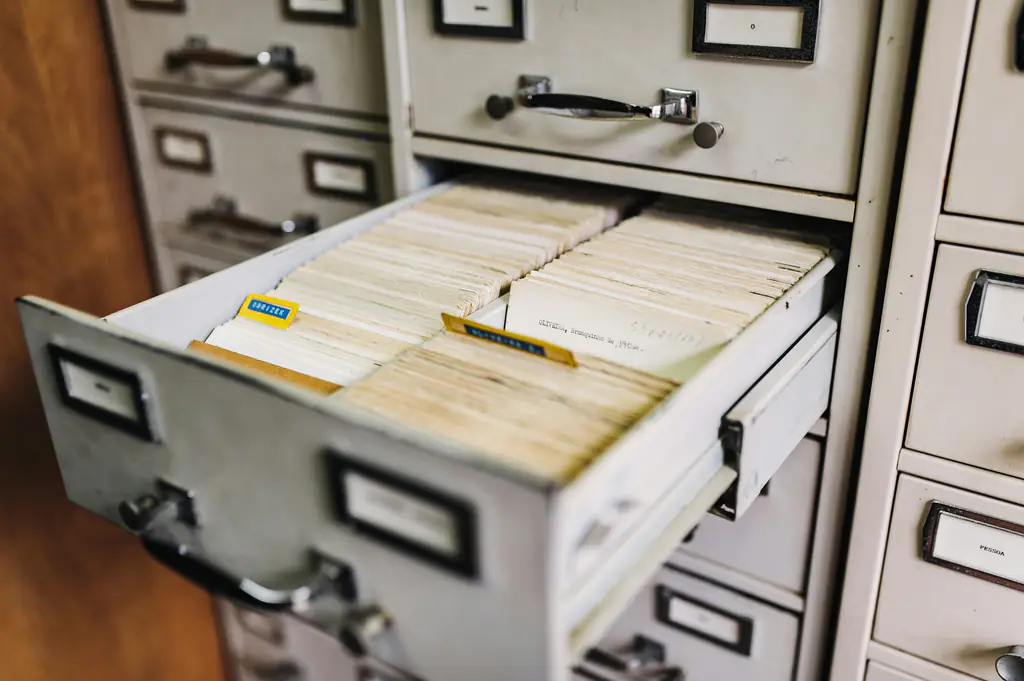
Photo by Maksym Kaharlytskyi
Most people who manage their own rental think the hard part is the property — the leaking tap, the tenant who is late, the weekend spent painting. It is not. The hard part arrives eighteen months later, in a tribunal room or an email from an accountant, and it is always the same question: can you show it?
Self-managing is a records problem wearing a property costume. What separates owners who sleep well from owners who do not is almost never diligence with a paintbrush. It is whether the paperwork exists, and whether they can put their hands on it.
Tribunals do not decide who was more reasonable. They decide what the evidence shows. That sounds harsh until you are the one with the evidence, at which point it is the fairest thing in the world. If you have ever watched a bond hearing, you will have noticed that the party with dated photographs tends to win, and the party explaining what they remember tends not to.
Five documents do most of the work. Everything else is useful; these are the ones you cannot substitute.
The most expensive sentence in a tenancy dispute is “I am fairly sure I sent that.”
For tax, the Australian Taxation Office generally requires rental income and expense records to be kept for five years from 31 October after the relevant income year, or for five years from the date you lodge if you lodge later. Records connected with capital gains, depreciating assets, losses or an active dispute may need to be kept longer.
For tenancy, there is no single number worth memorising. The useful rule is different: keep a tenancy record for as long as somebody could still raise it. A bond claim, an unpaid-rent argument, a damage dispute — these surface after the tenant has gone, and they are argued from documents that were created years before anyone knew they mattered.
Photographs are the single highest-yield record, and almost nobody takes enough of them. Not artistic photographs — evidentiary ones. Every room, every wall, the inside of the oven, the state of the carpet at the doorway, the meter readings. Wide shot first so the room is identifiable, then close-ups of anything already marked.
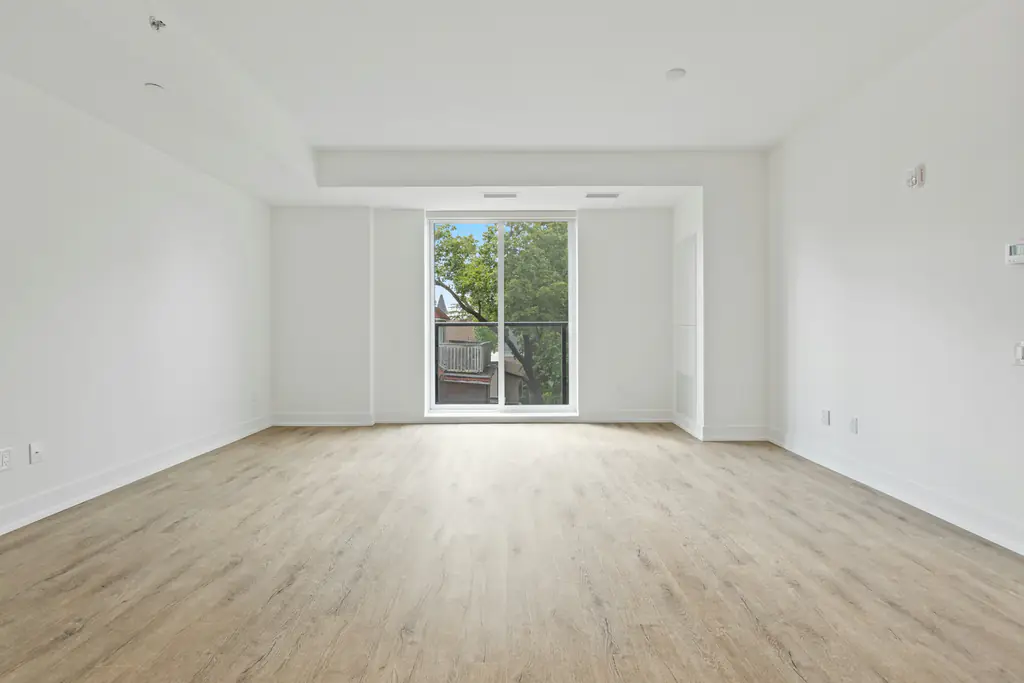
The critical property of an evidentiary photo is not resolution, it is the date. A photo that cannot be tied to a moment is a photo about which two people can hold opposite beliefs. Keep them attached to the tenancy and the inspection they came from, not scattered through a camera roll between birthdays.
The failure is rarely that the record was never made. It is that the record was made and then dispersed — the agreement in email, the condition report in a drawer, the photos on a phone that has since been replaced, the repair invoices in a folder named “house stuff”.
This is exactly the shape of problem Girilang exists for: every lease, inspection, photograph and document sits against the property and the tenancy it belongs to, so the question “can you show it?” has a boring answer. But the habit matters more than the tool. A shoebox that is actually used beats software that is not.
Leases, condition reports, inspection photos and notices, all filed against the property and the tenancy they belong to.