 Girilang
Compliance · 7 min read
Compliance · NSW
What registrable operators need to know about the register, the occupancy principles, and the records a council will ask for.
8 April 2026 · Updated 10 July 2026 · 6 min read
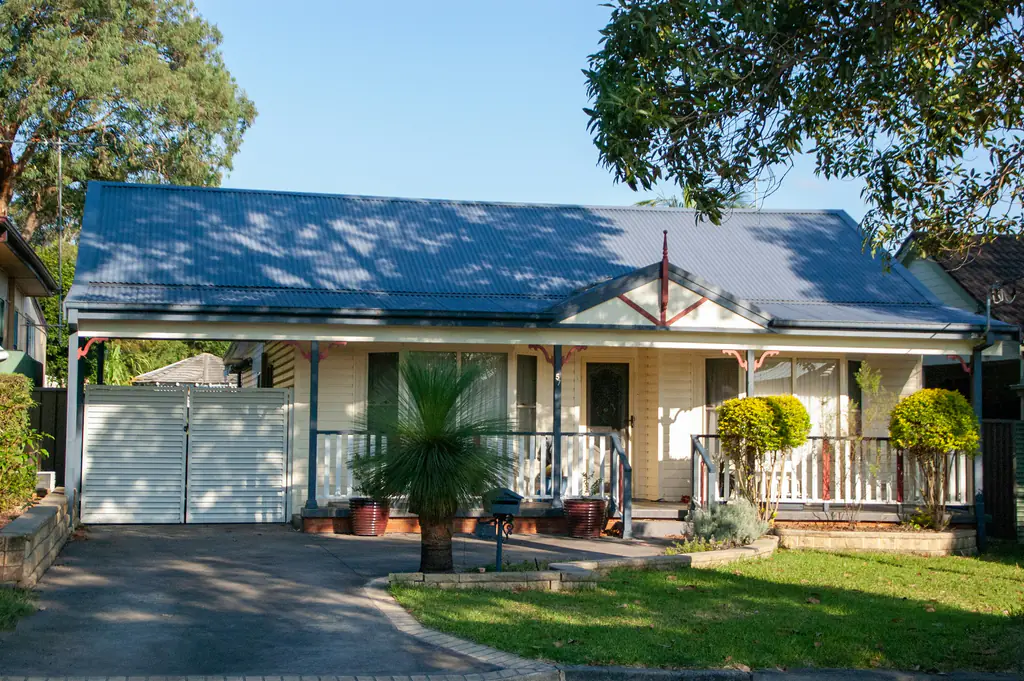
Photo by Paddy Pohlod
If you run a boarding house in New South Wales, the Boarding Houses Act 2012 sets the ground rules, and getting them wrong is expensive in a way that is entirely avoidable. This is what actually applies to you, without the legal register.
A boarding house is generally registrable if it provides beds, for a fee, for five or more residents who are not part of the proprietor’s family. If that describes your property, it must be listed on the public Boarding Houses Register, and the Act sets a short window — 28 days from the point it becomes registrable — to do it.
Residents of a registrable boarding house are protected by a set of occupancy principles. They are the boarding-house counterpart to the core rights in a tenancy agreement, and they cannot be contracted away.
The most common failure is the simplest one: no written occupancy agreement on file. It is the cheapest mistake to fix and the most expensive to ignore.
Local councils can inspect registrable boarding houses against fire-safety and amenity standards. The operators who get through cleanly are not the ones with the newest building. They are the ones who can produce occupancy agreements, fee histories and maintenance records without leaving the room.
For most owner-operators, staying compliant comes down to three habits: register on time, give every resident a written agreement, and keep the paperwork somewhere a stranger could find it.
Leases, condition reports, inspection photos and notices, all filed against the property and the tenancy they belong to.