 Girilang
Leases · 6 min read
Leases · NSW
Almost every expensive end-of-tenancy outcome traces back to a decision that should have been made three months earlier.
29 April 2026 · 5 min read
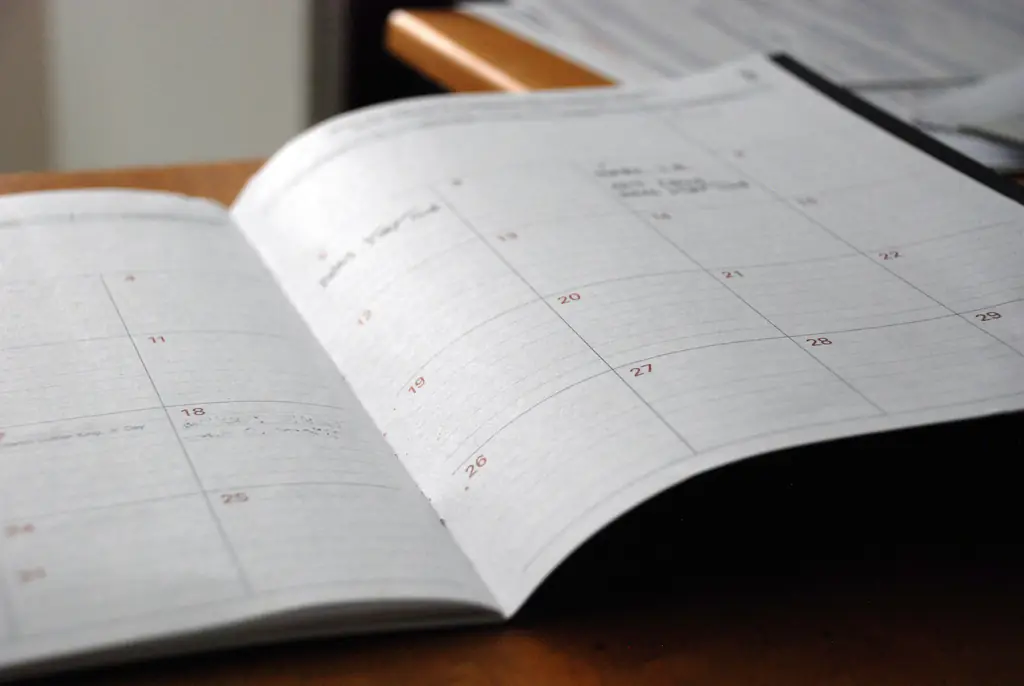
Photo by Eric Rothermel
The end of a fixed term is the one moment in a tenancy when everything is genuinely open — the rent, the term, whether it continues at all. It is also the moment most self-managing landlords notice a fortnight too late, at which point most of the options have quietly closed.
Put the end date in your calendar the day you sign, with a reminder ninety days before. Everything below hangs off that one habit.
Before you talk to anyone, answer three questions honestly. Do you want this tenant to stay? Is the rent where it should be? Is there work on the property that is easier done between tenancies than around one?
A good tenant who pays slightly under market is worth more than a stranger paying market, because the stranger comes with a vacancy, a letting cost, a screening cycle, and a genuine chance of being worse. Do that arithmetic before you decide the rent is too low.
Ask, plainly, whether they intend to stay. Tenants are usually more forthcoming than landlords expect, and the answer changes everything you do next. If you intend to increase the rent, this is when to say so — a rent increase is a conversation followed by a formal notice, never a formal notice arriving cold.
If the tenancy is ending, book the outgoing inspection, confirm what “reasonably clean” means for this property in writing, and get your ingoing condition report out ready to compare. If it is continuing, file the new agreement against the tenancy and reset the calendar reminder for the next end date.
Nothing about lease expiry is difficult. It is only ever late.
Leases, condition reports, inspection photos and notices, all filed against the property and the tenancy they belong to.