 Girilang
Leases · 5 min read
Leases · NSW
The standard form covers more than most landlords realise, and the extra clauses people add are often the ones that will not hold.
20 May 2026 · 6 min read

Photo by Annika Wischnewsky
There is a particular kind of landlord confidence that ends badly, and it usually begins with the phrase “I added a clause”. Residential tenancy agreements in New South Wales use a prescribed standard form. The form contains the terms the Act requires, and your job is to complete it accurately — not to improve it.
The standard form already contains the obligations that matter on both sides: rent, the bond, repairs, entry, what happens at the end. Those terms are there because the legislature put them there, and they cannot be traded away by agreement — not with a willing tenant, not with a handshake, not with an initialled addendum.
Almost none of the trouble comes from the legal architecture. It comes from the boxes at the top of page one.
Additional terms are allowed, provided they do not conflict with the Act. The useful ones are specific, factual, and about this property rather than about tenants in general.
The clauses landlords most want to add are usually the clauses the Act has already dealt with, in the tenant’s favour, on purpose.
Sign before the tenancy starts, not three weeks in. Give the tenant their copy, and keep proof of when you gave it. A surprising share of disputes reach a tribunal with two parties holding differently annotated versions of the same agreement and no way to establish which one was executed.
Digital signing solves this cleanly, because it produces one document, one audit trail, and one copy that both parties received at the same moment. If you are still printing, scanning and emailing, the thing you are risking is not the trees.
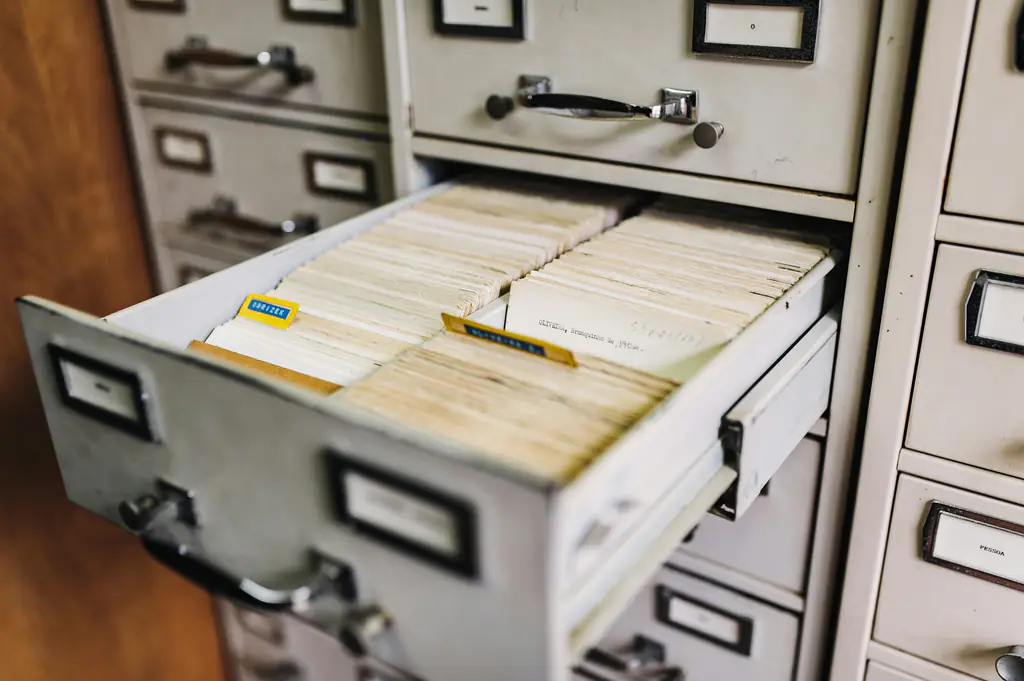
Leases, condition reports, inspection photos and notices, all filed against the property and the tenancy they belong to.