Girilang
The routine inspection, done properly
Most inspections check whether the house is tidy. The useful ones check four specific things, and tidiness is not one of them.
- NSW
- 6 min read
- Published:
- 3 June 2026
- Last updated:
- 6 October 2026
A routine inspection is a scheduled look at the condition of something you own and must maintain. Landlords who use it to check how somebody lives annoy good tenants and still miss the leaking hose under the sink.
How often, and with what notice
How often
- What it means
- Up to four routine inspections in any twelve months
Notice
- What it means
- At least seven days’ written notice before each one
Hours
- What it means
- Between 8am and 8pm, and not on a Sunday or public holiday unless the tenant agrees
The tenant
- What it means
- May be present, but does not have to be
| Rule | What it means |
|---|---|
| How often | Up to four routine inspections in any twelve months |
| Notice | At least seven days’ written notice before each one |
| Hours | Between 8am and 8pm, and not on a Sunday or public holiday unless the tenant agrees |
| The tenant | May be present, but does not have to be |
The four things worth looking for
Walk the property with a fixed list, in the same order every time. Most of what matters falls into one of four groups.
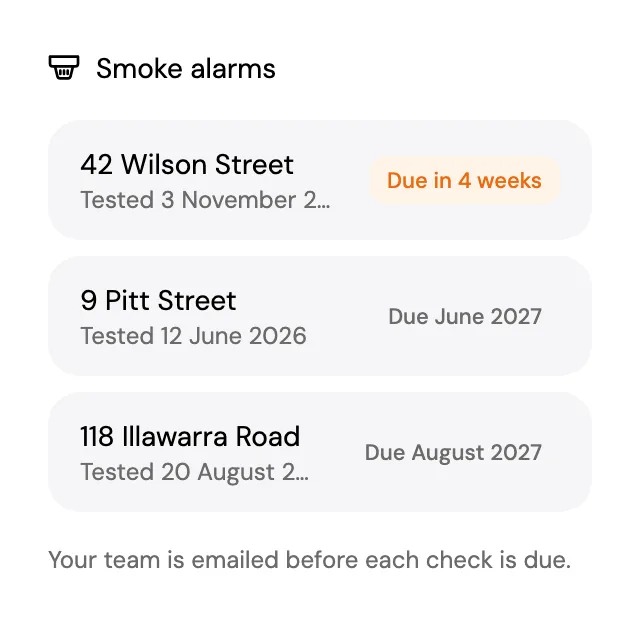
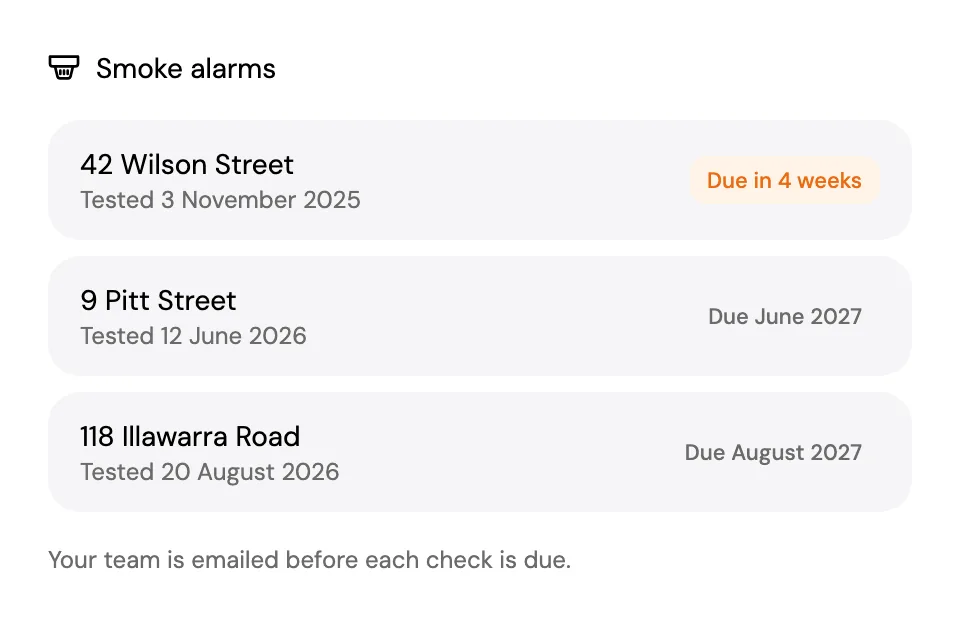
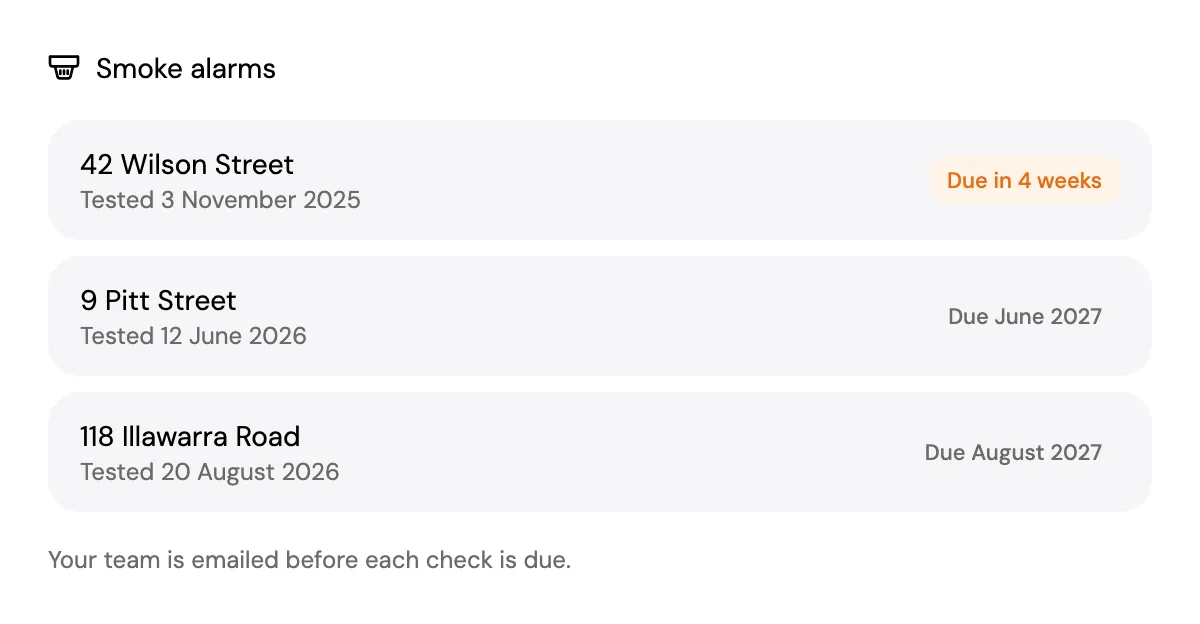
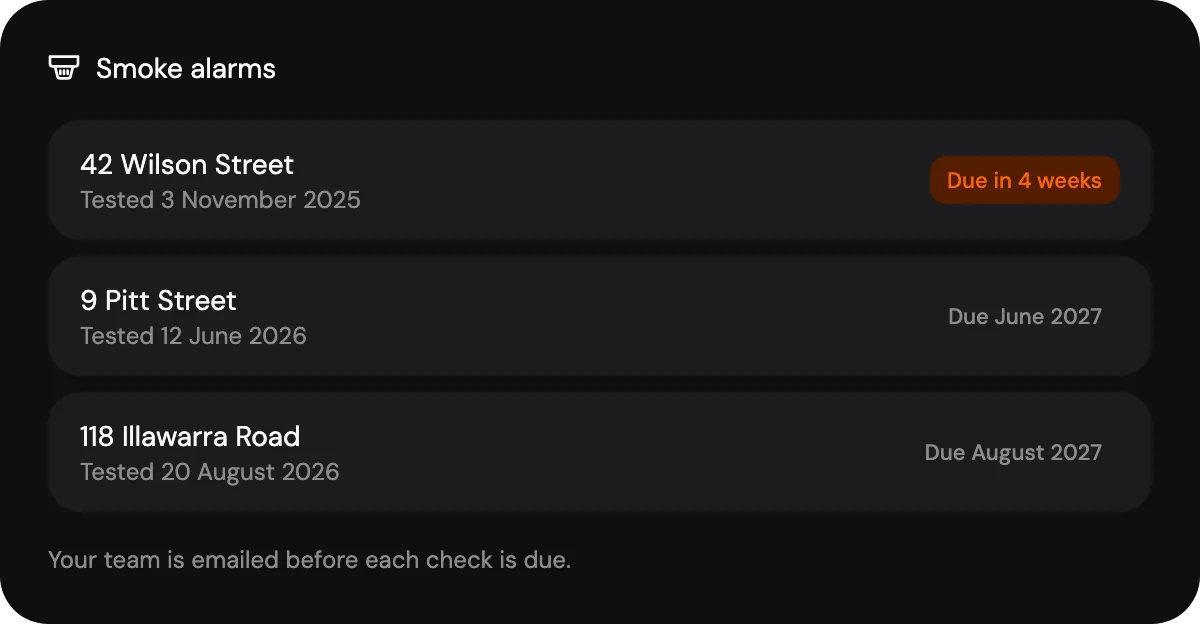
- Safety: smoke alarms, obvious electrical faults, loose balustrades, window locks, anything a child could fall from or through.
- Unreported damage: the things a tenant has not mentioned, usually because they are embarrassed or hoping it goes away.
- Wear about to become damage: the perishing hose, the failing seal, the gutter one storm from overflowing into a wall.
- Breaches: an undeclared pet, an extra occupant, a business run from the garage. Matters of fact, recorded neutrally.
Whether the dishes are done, the beds are made or the decor is to your taste is missing from that list on purpose. None of it is your business or evidence of anything, and raising it turns a routine visit into a relationship problem you pay for at renewal.
Photograph the same angles every time
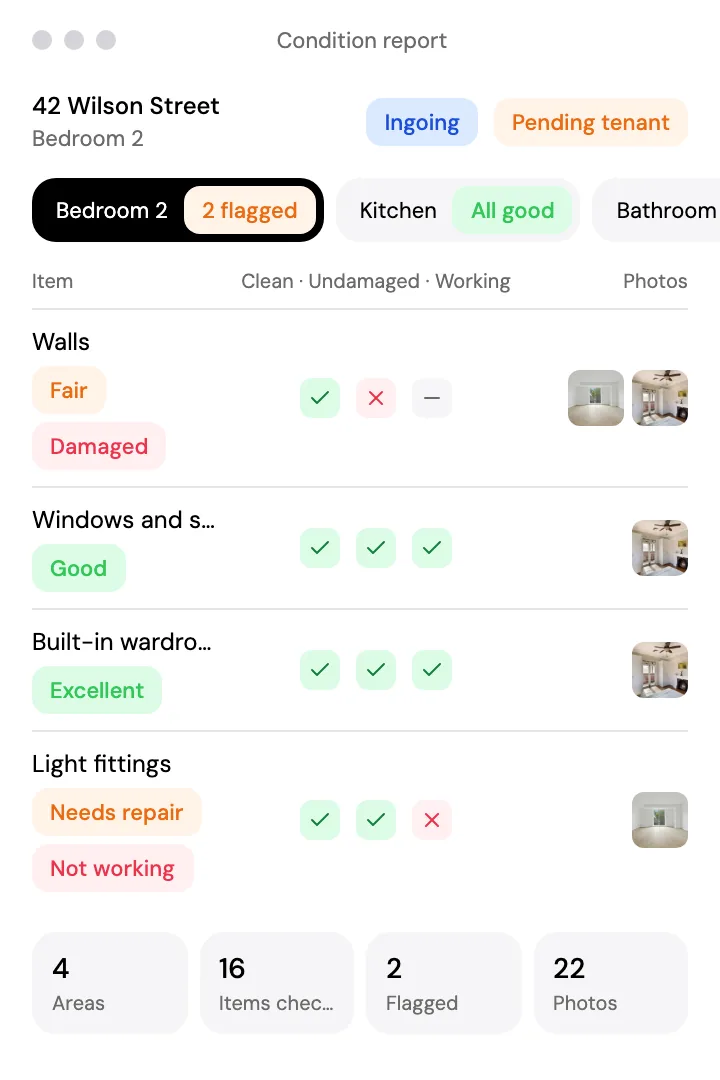
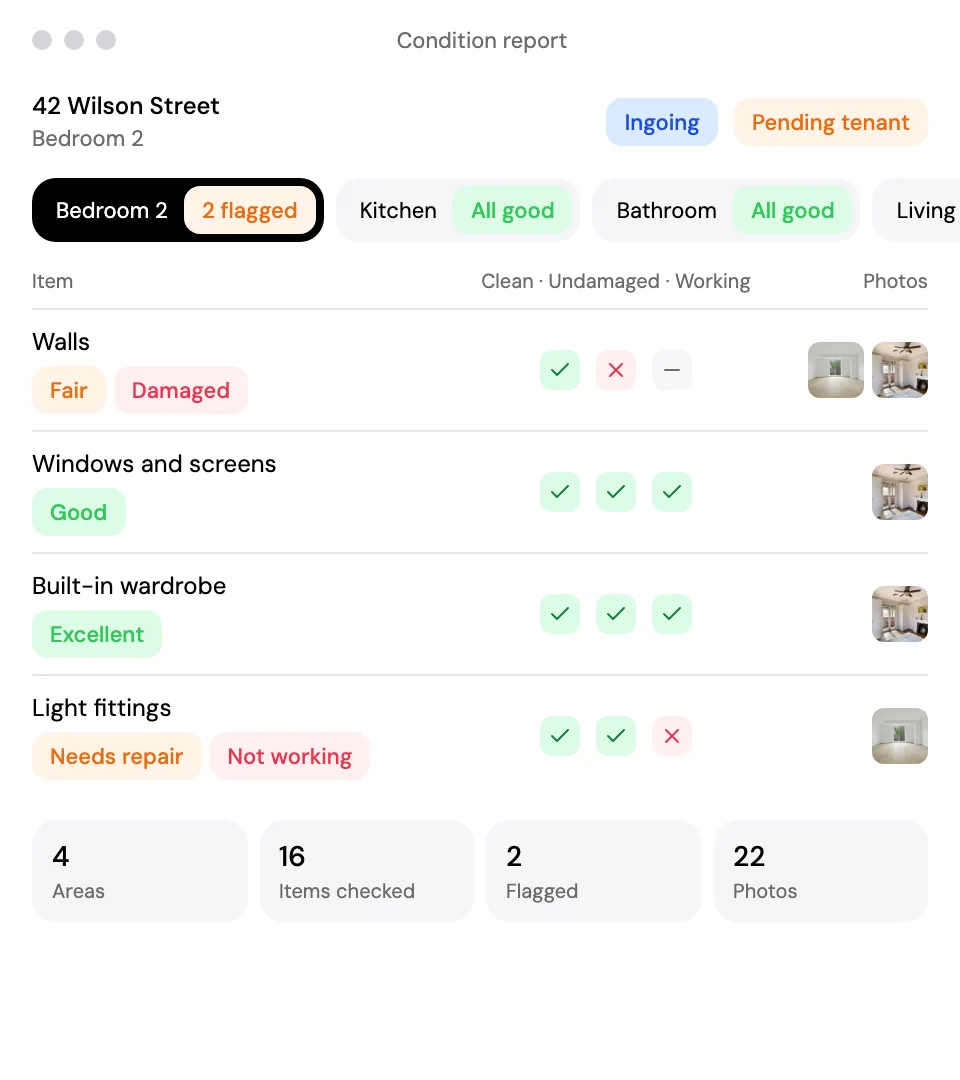
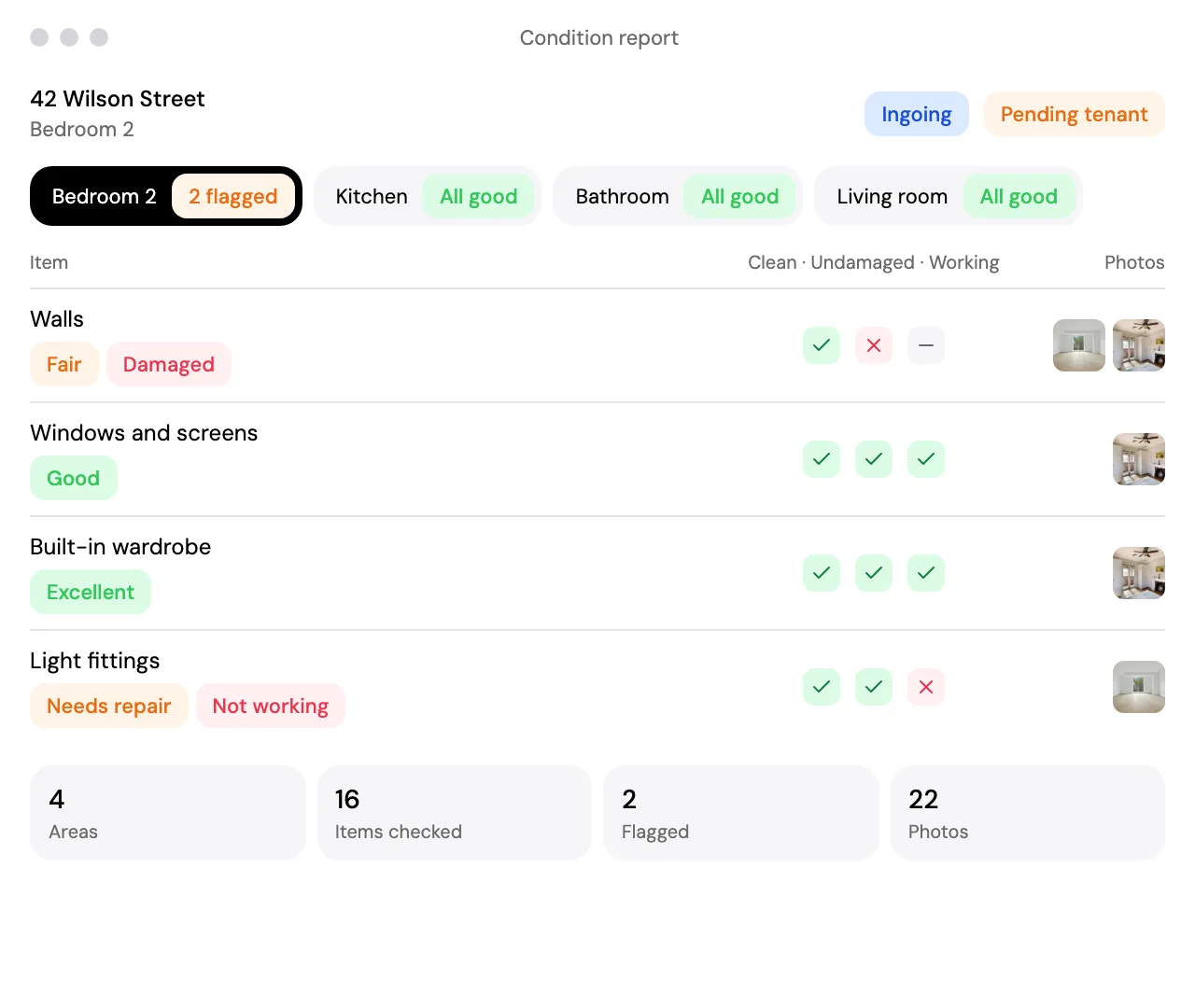
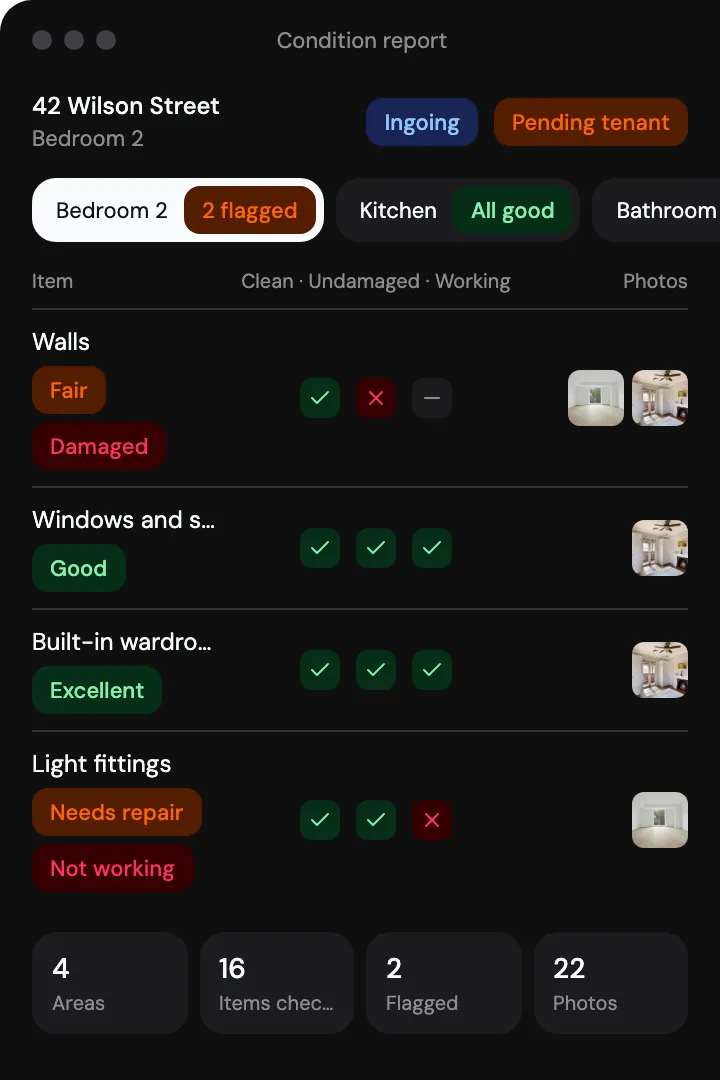
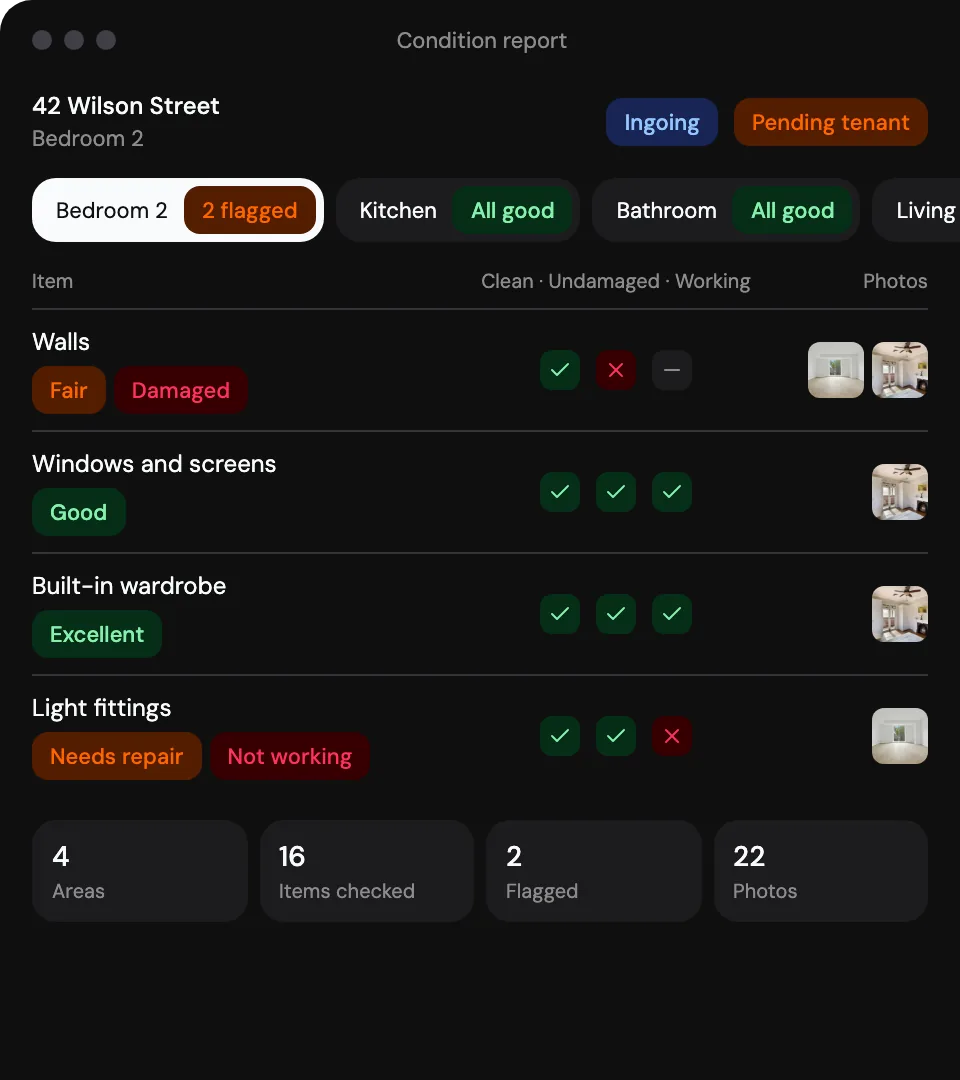
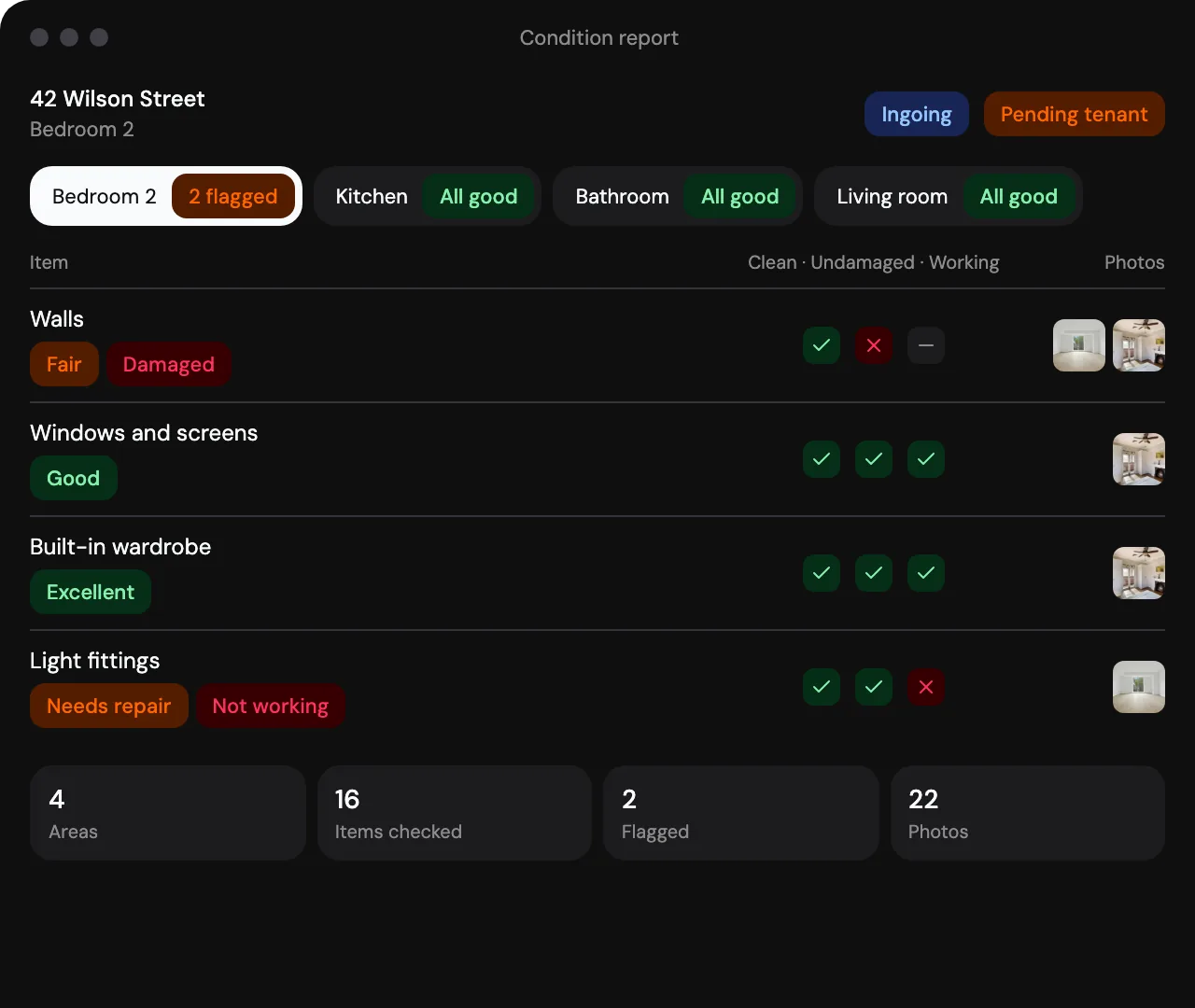
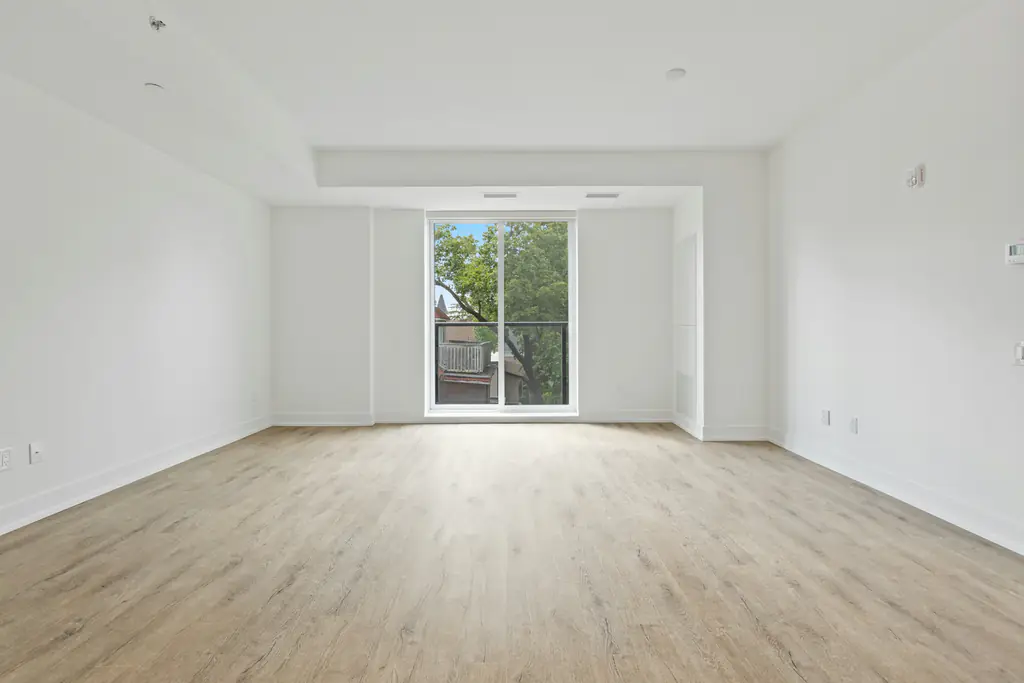
Inspection photos earn their keep by comparison, and comparison needs consistency. Stand in the same corner of each room and frame the same view on every visit, and the sequence becomes a time-lapse: deterioration you cannot see between two visits is obvious across six. The condition report guide covers how to photograph a room the first time.
What to do afterwards
- 1 Write the report the same day, while you can still remember which room the third photo was in, and file the photos with it.
- 2 Keep what you observed separate from what you will do about it. Findings and actions are different lists.
- 3 Tell the tenant anything that concerns them, including the good news that nothing needs doing.
- 4 Book the repairs you found. An inspection that leads to no action was a walk through somebody else’s home.
Routine inspections, with the photos attached
Record each routine inspection room by room on an iPhone or iPad during the visit, or on the web afterwards. Its photos stay with the property, beside every earlier inspection.